



You wake up and before your day even begins, sneezing starts which occur in repeated cycles like one after another. Your nose starts running, there is constant itching, and sometimes even your eyes feel irritated. You reach for a tissue, then another, then another. You take an anti allergy tablet and within a few hours, you feel better. But the next morning, it happens again.
If this cycle sounds familiar then you are not alone. Millions of people deal with this daily, often calling it seasonal allergy. But in reality, this condition is known as “Allergic Rhinitis”. The biggest mistake in Allergic Rhinitis treatment is focusing only on temporary relief instead of treating it with real and root cause solution.
Read this blog to understand better about the problem and if you are seriously looking for how to cure allergic rhinitis permanently, rather than just suppressing symptoms.
What Is Allergic Rhinitis
Allergic rhinitis is an immune system reaction where your body overreacts to allergens, such as dust, pollen, pollution, or cold air. When these enter your nasal passages, your immune system releases chemicals like histamine, which leads to:

- Continuous sneezing
- Runny nose
- Nose itching
- Nasal congestion
Research shows that allergic rhinitis is one of the most common chronic conditions worldwide and is increasing due to pollution and lifestyle factors.
Symptoms You Should Not Ignore
Many people ignore this condition for years, thinking it is a minor sneeze issue. But allergic rhinitis affects much more than just your nose. Common symptoms include:
- Frequent sneezing, especially in the morning
- Clear watery discharge from nose
- Itching in nose, throat, or eyes
- Blocked nose, especially at night
- Disturbed sleep
Over time, it can also lead to:
- Sinus infections
- Headaches
- Fatigue and poor concentration
This is why proper allergic rhinitis treatment is important rather than just symptom control.
Also Read- Snoring Treatment: Causes, Ayurvedic Perspective, Remedies, Diet and Lifestyle Guide
Ayurvedic Perspective on Allergic Rhinitis
In Ayurveda, this condition is called Pratishyaya which means disorders related to the nose such as Allergic Rhinitis. It is mainly caused due to imbalance of Kapha and Vata Doshas-
- Kapha dosha imbalance causes excess mucus, heaviness, congestion
- Vata dosha imbalance causes repeated sneezing, dryness, irritation
When digestion is weak and toxins accumulate, these doshas get aggravated and move towards the head region. This leads to:
- Runny Nose (Nasastrava)
- Swelling of eyes (Netra Shof)
- Cough (Kasa)
- Headache (Shirshool)
Ayurvedic Solutions for Allergic Rhinitis Treatment
1.Ayurvedic Formulations
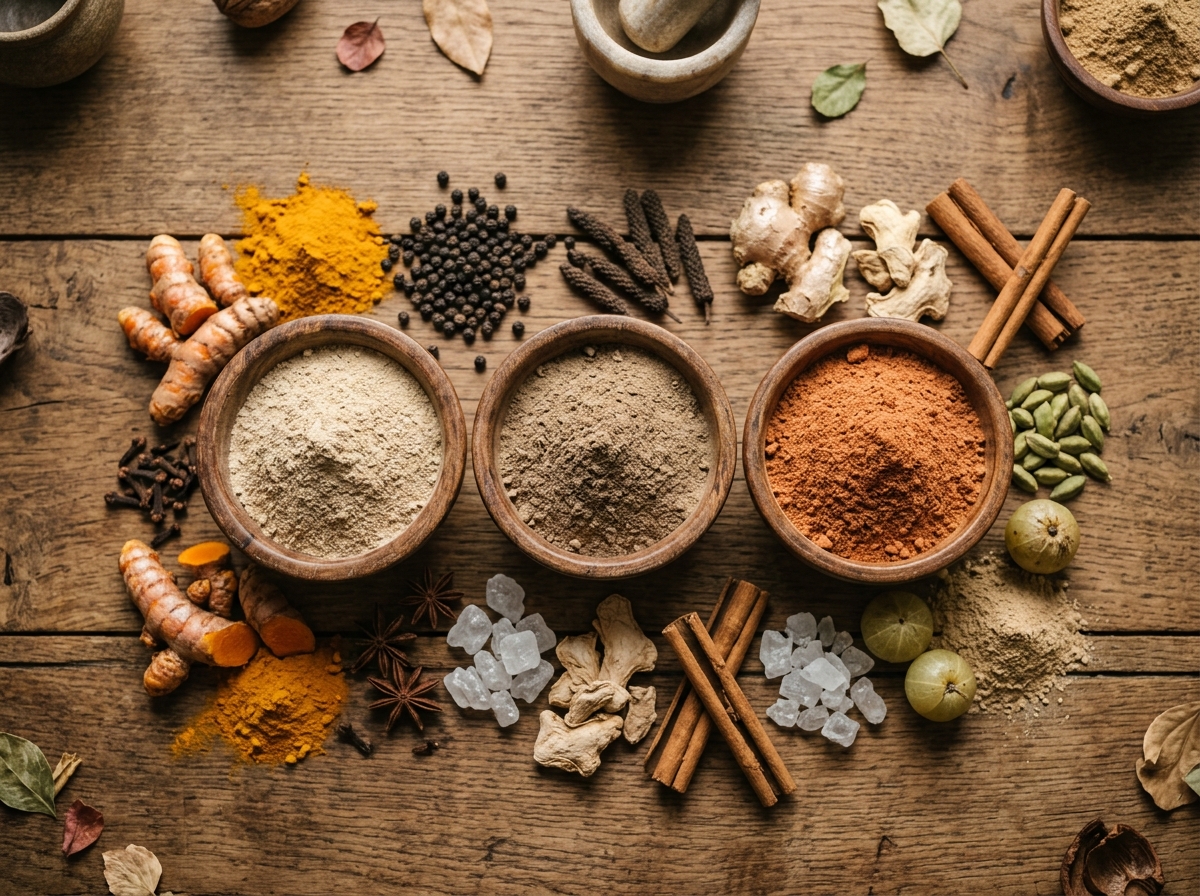
- Sitopaladi Churna- Sitopaladi Churna is one of the most commonly used classical formulation
 s for respiratory health. It is prepared using ingredients like mishri, vanshlochan, pippali, elaichi, and dalchini.
 - Talisadi Churna- Talisadi Churna is particularly helpful when allergic rhinitis is associated with heaviness, congestion, and mucus accumulation. It contains talispatra, pippali, maricha, shunthi, elaichi, and dalchini.
- Rajnyadi Churna- Rajnyadi Churna is traditionally used in allergic and nasal conditions where inflammation and hypersensitivity are dominant features. It is made using key ingredients like haridra, daruharidra, and trikatu.
- Prash- Prash formulations such as Swasani Prash play a very important role in long term allergic rhinitis treatment. They are considered Rasayana, meaning they help in rejuvenation and strengthening of the respiratory system.
Always use ayurvedic herbs by consulting a professional ayurveda consultant as self medication can be harmful. Dosage and timing of herb depends on guidance of doctor.
2. Ayurvedic Therapies: Deeper Level Healing
When allergic rhinitis becomes chronic or frequent, internal medicines alone may not be enough. This is where therapies play a key role-
Vamana (Therapeutic Emesis)- This is a specialized Panchakarma therapy aimed at removing excess Kapha from the body. Vamana helps eliminate this accumulated Kapha from the root. It is particularly beneficial for:
- Chronic allergies
- Heavy mucus tendency
- Recurrent episodes
This therapy should always be done under expert supervision.
Nasya (Nasal Therapy)- In this therapy, medicated oils or herbal extracts are administered through the nostrils. It directly acts on the nasal passages and head region. Benefits include:
- Clearing blocked channels
- Reducing nasal sensitivity
- Improving breathing
- Strengthening local immunity
Regular Nasya can significantly reduce the frequency of sneezing and runny nose.
Dhoompaan (Medicated Smoke Therapy)– It involves inhalation of medicated herbal smoke in a controlled manner. The medicated fumes are often created using herbs like Tulsi (Holy Basil), Nirgundi (Vitex negundo), Nilgiri (Eucalyptus), Turmeric (Haridra), Neem. Research indicates that 3 puffs daily of Darvyadi Dhoomapana is effective in chronic simple rhinitis. It is especially useful in people with persistent nasal blockage and heaviness.
Deepan (Improving Digestive Fire)- Deepan refers to therapies and herbs that improve Agni, or digestive fire. Because poor digestion leads to formation of Ama, which makes your body more reactive. Deepan helps:
- Improve digestion
- Reduce toxin formation
- Stabilize immune response
Without correcting digestion, symptoms are likely to return again and again.
3. Ahara (Diet): The Most Underrated Factor
Many people do not connect their daily food with their sneezing problem. But diet is one of the biggest triggers-
Foods That Worsen Allergic Rhinitis
- Cold milk, curd, and buttermilk especially at night
- Ice creams and cold beverages
- Refrigerated and stale food
- Fried and oily food
- Excess sugar and sweets
- Bakery and packaged items
Foods That Help Reduce Symptoms
Focus on warm, light, and fresh food.
- Warm home cooked meals
- Ginger, black pepper, turmeric
- Herbal teas like tulsi or ginger tea
- Light meals like khichdi and soups
- Seasonal fruits in moderation
4. Vihara (Lifestyle)
Even the best treatment will not work if lifestyle is not corrected. Your daily routine directly affects your immunity and sensitivity.
- Maintain a consistent sleep schedule
- Wake up early and avoid cold air exposure immediately
- Practice steam inhalation regularly. You can add herbs like carom seeds or mint in water used for steam inhalation.
- Avoid overeating and eat timely
- Prefer warm food over cold food
- Avoid sleeping immediately after meals
- Keep your surroundings clean and dust free
- Stay physically active with walking or yoga
FAQs
- Why am I sneezing so much and have a runny nose?
Frequent sneezing and a runny nose usually happen when your immune system overreacts to triggers like dust, pollen, or cold air, leading to allergic rhinitis. It can also be worsened by poor digestion, weak immunity, or lifestyle factors that make your body more sensitive.
- How to cure allergic rhinitis permanently ?
With consistent diet, lifestyle changes, and Ayurvedic support, the frequency and severity can reduce significantly over time.
- Which drink is good for allergic rhinitis?
Warm, soothing drinks work best for allergic rhinitis as they reduce mucus and calm irritation. Ginger turmeric tea, tulsi tea, or warm water with honey are especially helpful as they support immunity and reduce allergic response.
Conclusion
If you are searching for how to cure allergic rhinitis permanently, the answer is not in a single medicine. It lies in a combined approach. When you improve digestion, follow the right diet, correct your lifestyle and use proper therapies when needed, your body gradually becomes less sensitive. The frequency of symptoms reduces. And most importantly, you stop depending on temporary relief again and again.


