


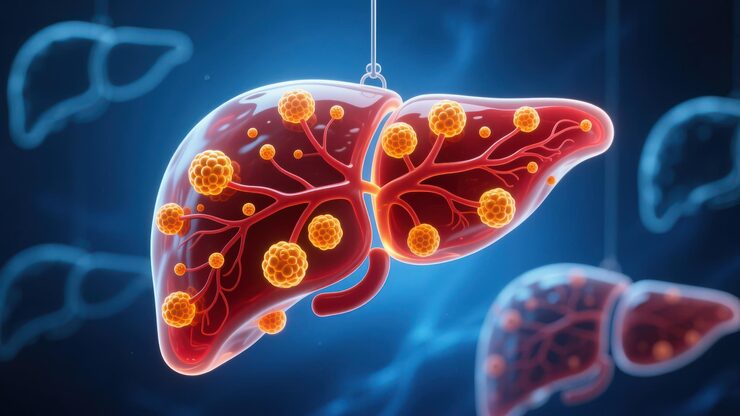
Fatty liver disease has become one of the most common lifestyle-related health concerns today. Many people are surprised when a routine health checkup or ultrasound report reveals that they have fatty liver, even though they may not be experiencing any noticeable symptoms.
As awareness about liver health grows, many people begin searching for the best Ayurvedic medicine for fatty liver. However, the internet is filled with countless products, herbal formulations, and marketing claims, making it difficult to understand which option may actually be suitable for your individual needs.
The reality is that there is no single Ayurvedic medicine that works the same way for every person. Factors such as the stage of fatty liver, digestive health, body constitution, dietary habits, physical activity level, and associated health conditions can all influence the approach to liver wellness.
In my clinical practice, we often meet individuals who have already tried multiple supplements and liver tonics before seeking professional guidance. One common observation is that many people focus only on finding a medicine while overlooking the lifestyle and metabolic factors that contribute to fatty liver in the first place.
This article will help you understand how to choose the best Ayurvedic medicine for fatty liver naturally, what ingredients to look for, common mistakes to avoid, and the lifestyle habits that can support long-term liver health.
What Is Fatty Liver?
Fatty liver, also known as hepatic steatosis, occurs when excess fat accumulates within the liver cells. While a small amount of fat in the liver is normal, excessive fat buildup may affect normal liver function over time.
Today, fatty liver is becoming increasingly common due to modern lifestyle habits. Spending long hours sitting at a desk, gaining excess body weight, eating processed and fast foods regularly, consuming too much sugar, and getting very little physical activity can all increase the risk of developing fatty liver. People living with metabolic conditions such as diabetes are also more likely to experience fat accumulation in the liver.
One of the challenges with fatty liver is that it often develops silently. Many people feel completely healthy and only discover the condition during a routine health check-up, blood test, or abdominal ultrasound examination.
Common Symptoms Associated with Fatty Liver
In its early stages, fatty liver may not cause any obvious symptoms. However, some individuals may notice ongoing fatigue even after getting adequate rest. Others may experience digestive discomfort, bloating after meals, or a feeling of heaviness in the upper abdomen.
Some people find it difficult to manage their body weight despite making efforts to eat healthier. Reduced energy levels throughout the day and elevated liver enzyme levels in routine blood tests may also be observed in certain cases.
It is important to remember that these symptoms are not specific to fatty liver alone and can be associated with various other health conditions. For this reason, proper medical evaluation and diagnosis are always recommended before starting any treatment or wellness program.
Understanding Fatty Liver from an Ayurvedic Perspective
Ayurveda does not describe fatty liver using the exact modern medical terminology. However, the condition can be understood through concepts related to impaired digestion, accumulation of metabolic waste products (Ama), imbalance of Kapha Dosha, and disturbances in Meda Dhatu (fat metabolism).
According to Ayurvedic principles, healthy digestion and metabolism play a central role in maintaining overall health. When digestive efficiency becomes impaired over time, unwanted metabolic by-products may accumulate within the body. Combined with unhealthy dietary habits and a sedentary lifestyle, this can contribute to various metabolic imbalances.
The liver, known as Yakrit in Ayurveda, is considered an important organ involved in numerous metabolic processes. Therefore, Ayurvedic management often focuses not only on supporting liver health but also on improving digestion, metabolism, and overall lifestyle habits.
My Clinical Observation
In our clinical practice , we have consistently observed that fatty liver is rarely an isolated condition. Most individuals present with a combination of subtle but long-standing digestive and metabolic disturbances that develop gradually over time.
Commonly observed patterns include:
- Indigestion and slow digestion
Many patients report that even light meals feel heavy or difficult to digest, indicating weakened digestive fire (Agni). - Gas formation and abdominal bloating
A frequent complaint where the abdomen feels tight or swollen after eating, often linked to improper digestion and Ama accumulation. - Cravings for sweets and refined foods
This is commonly seen in individuals with metabolic imbalance and unstable energy levels throughout the day. - Irregular meal timings and eating habits
Skipping meals or eating at inconsistent times often disturbs digestion further and contributes to metabolic stress. - Low physical activity or sedentary routine
A lack of movement slows down metabolism and may contribute to fat accumulation in the liver over time. - Increased fat deposition around the abdominal region
Central obesity is one of the most commonly associated physical signs observed in fatty liver cases.
These patterns highlight an important clinical understanding: fatty liver is not just a liver-related issue, but often reflects a broader imbalance involving digestion, metabolism, lifestyle, and daily habits.
Is There One Best Ayurvedic Medicine for Everyone with Fatty Liver?
The short answer is no.
A medicine that may be suitable for one individual may not necessarily be the ideal choice for another.
Several factors influence how Ayurvedic practitioners evaluate liver support options, including:
- Grade of fatty liver:
Whether it is Grade 1, 2, or 3 makes a significant difference in how treatment and herbal support are planned. Early stages usually focus more on lifestyle correction, while advanced stages may require more structured supervision. - Age and overall health status:
Younger individuals may respond differently compared to older adults, especially if other health conditions are present. Overall vitality and immunity also play an important role in response. - Digestive strength:
In Ayurveda, Agni (digestive fire) is a key factor. Weak digestion often leads to poor metabolism, which can directly or indirectly affect liver health. - Body constitution (Prakriti):
Every person has a different Ayurvedic body type (Vata, Pitta, Kapha), and the same formulation may act differently depending on the dominant dosha balance. - Body weight and metabolic health:
Excess body fat, especially around the abdomen, is closely linked with fatty liver. Weight status also influences how quickly improvements may be seen. - Presence of diabetes or cholesterol concerns:
Many patients with fatty liver also have insulin resistance or lipid imbalance, which changes the overall approach to herbal and lifestyle support. - Dietary and lifestyle habits:
Daily habits such as food choices, physical activity, sleep pattern, and stress levels play a major role in determining how effective any Ayurvedic support will be.
This is one of the reasons why choosing an Ayurvedic medicine solely based on advertisements, reviews, or social media recommendations may not always provide the desired results.
Instead, it is important to understand the ingredients, quality standards, intended purpose of the formulation, and how it fits within a broader liver-supportive lifestyle plan.
7 Things to Check Before Choosing the Best Ayurvedic Medicine for Fatty Liver
Many people search for the best Ayurvedic medicine for fatty liver expecting a single product recommendation. However, choosing the right Ayurvedic formulation requires a deeper understanding of your liver health, metabolic condition, and the ingredients present in the medicine.
Before purchasing any liver support supplement, consider the following factors.
1. Check the Ingredients Instead of Marketing Claims
One of the biggest mistakes people make is selecting a product based solely on advertisements, reviews, or attractive packaging. A quality Ayurvedic liver support formula should contain herbs that have traditionally been used in Ayurveda to support liver health and digestive function.
Some commonly used Ayurvedic herbs include:
Bhumi Amla (Phyllanthus niruri)
Bhumi Amla is one of the most widely recognized Ayurvedic herbs for liver wellness. It has traditionally been used to support healthy liver function and metabolic balance.
Kalmegh (Andrographis paniculata)
Kalmegh is known for its bitter taste and has been traditionally used in Ayurveda to support liver health and digestive processes.
Kutki (Picrorhiza kurroa)
Kutki has a long history of use in Ayurvedic formulations designed to support liver function and digestive metabolism.
Punarnava (Boerhavia diffusa)
Punarnava is traditionally used to support fluid balance and overall metabolic health.
Guduchi (Tinospora cordifolia)
Guduchi is valued in Ayurveda for its role in supporting overall wellness and maintaining healthy physiological functions.
When evaluating any product, focus on the quality and combination of ingredients rather than bold promises such as “instant liver detox” or “guaranteed fatty liver cure.”
2. Understand Your Fatty Liver Grade
Not all fatty liver cases are the same, and this is one of the most important factors that people often ignore while choosing the best Ayurvedic medicine for fatty liver.
An individual with mild Grade 1 fatty liver may respond well to simple lifestyle corrections and basic liver support, while someone with more advanced changes may require a more structured and supervised approach.
Grade 1 Fatty Liver
This is the earliest and most commonly detected stage, often found during routine health checkups or ultrasound reports without major symptoms.
Primary focus:
- Improving dietary habits: At this stage, small but consistent changes in daily diet such as reducing sugar, fried foods, and processed items can significantly support liver health over time.
- Increasing physical activity: Light to moderate exercise like walking or yoga helps improve metabolism and reduces fat accumulation in the liver.
- Weight management: Even a modest reduction in body weight can positively influence liver fat levels in Grade 1 fatty liver cases.
- Supporting healthy liver function: Gentle Ayurvedic support along with lifestyle correction is usually sufficient when started early.
Grade 2 Fatty Liver
This stage indicates a more noticeable accumulation of fat in the liver and may start showing mild symptoms or metabolic imbalance signs.
Focus areas include:
- Metabolic health improvement: At this stage, improving insulin sensitivity and overall metabolism becomes more important than just liver support alone.
- Dietary discipline: A more structured and consistent diet plan is required, focusing on timing, portion control, and nutrient balance.
- Weight reduction when appropriate: Gradual and medically guided weight loss can help reduce liver fat and improve overall health markers.
- Regular monitoring: Periodic checkups and liver function tests help track progress and adjust the approach when needed.
Grade 3 Fatty Liver
This is a more advanced stage where the liver may show significant fat accumulation and requires careful medical evaluation. Individuals should always follow the recommendations of qualified healthcare professionals, as this stage may involve higher health risks and complications if ignored.
Support at this stage is typically more comprehensive and may include medical supervision, strict lifestyle changes, and targeted therapeutic interventions.
Understanding your fatty liver stage is essential because the effectiveness of any Ayurvedic medicine depends not only on the formulation itself but also on how well it matches your body’s current condition and metabolic needs.
3. Look Beyond Liver Detox Claims
The term liver detox has become extremely popular in marketing campaigns, especially in online Ayurvedic and wellness products.
However, liver health is far more complex than simply taking a detox supplement or herbal capsule for a short period.
In clinical practice, we often find that long-term improvements are associated with a combination of:
- Better dietary habits: A consistent reduction in sugar, refined carbs, and unhealthy fats plays a major role in improving liver function over time.
- Improved digestion: When digestion is weak, metabolic waste tends to accumulate, which can indirectly affect liver health.
- Weight management: Maintaining a healthy body weight reduces fat accumulation in the liver and supports metabolic balance.
- Physical activity: Regular movement helps improve insulin sensitivity and supports fat metabolism in the body.
- Consistent lifestyle changes: Long-term habits such as sleep quality, stress management, and meal timing often determine overall progress.
A good Ayurvedic formulation should ideally support broader metabolic health and digestion rather than focusing only on the concept of detoxification.
4. Choose Formulations That Support Digestion and Metabolism
From an Ayurvedic perspective, digestive efficiency (Agni) plays a central role in maintaining overall metabolic balance and liver health.
Many individuals with fatty liver also report symptoms such as:
- Bloating: A feeling of abdominal fullness after eating, often linked with slow digestion.
- Indigestion: Difficulty in properly digesting meals, especially heavy or oily foods.
- Heaviness after meals: A common sign of sluggish metabolism and reduced digestive fire.
- Irregular appetite: Fluctuating hunger patterns, either reduced appetite or frequent cravings.
- Excessive sugar cravings: Often associated with metabolic imbalance and unstable energy levels.
These observations suggest that supporting digestion is not just a secondary factor but an essential part of a comprehensive fatty liver management approach.
When evaluating any Ayurvedic formulation, it is important to consider whether the ingredients traditionally support both liver function and digestive metabolism together, rather than focusing on only one aspect.
5. Verify Product Quality Standards
Not all Ayurvedic products are manufactured with the same level of quality, safety, or consistency, which is why this step is extremely important.
Before purchasing any product, check for:
- GMP-certified manufacturing facilities: This ensures that the product is manufactured under standardized and hygienic conditions following regulatory guidelines.
- Ingredient transparency: A trustworthy product clearly mentions all herbs and their composition without hiding proprietary blends.
- Proper labeling: Clear dosage instructions, manufacturing details, and expiry dates reflect product reliability and safety awareness.
- Quality testing procedures: Lab testing for purity, heavy metals, and consistency adds an extra layer of trust.
- Reputable manufacturer information: A credible brand should have a visible presence, clinical background, or documented Ayurvedic expertise.
A transparent manufacturing approach often reflects the seriousness and credibility of the formulation itself.
6. Consider Your Overall Health Condition
Fatty liver is rarely an isolated condition and is often associated with other metabolic or lifestyle-related health factors.
Many individuals with fatty liver may also have:
- Excess body weight: Increased abdominal fat is commonly linked with liver fat accumulation and metabolic imbalance.
- High cholesterol levels: Lipid imbalance can contribute to worsening liver health if not addressed properly.
- Type 2 diabetes: Insulin resistance is one of the major contributing factors in fatty liver development.
- Sedentary lifestyle habits: Lack of physical activity slows down metabolism and promotes fat storage in the liver.
- Metabolic syndrome: A combination of risk factors that collectively affect liver and overall health.
For this reason, the best Ayurvedic medicine for fatty liver is usually one that fits into a broader health improvement strategy rather than targeting only the liver in isolation.
we frequently observe in clinical practice that patients show better long-term improvement when herbal support is combined with dietary discipline, physical activity, and lifestyle correction, instead of relying on supplements alone.
7. Avoid Expecting Overnight Results
One of the most common misconceptions about Ayurvedic liver support is the expectation of quick or overnight improvement.
In reality, fatty liver develops gradually over months or even years due to long-standing lifestyle and metabolic imbalances. Naturally, the recovery process also requires time and consistency.
Healthy habits such as:
- Regular exercise: Daily physical activity helps improve metabolism and supports gradual reduction in liver fat.
- Balanced nutrition: A diet rich in whole foods and low in processed ingredients supports long-term liver health.
- Adequate sleep: Proper sleep helps regulate metabolism and reduces stress-related hormonal imbalance.
- Weight management: Sustainable weight control plays a key role in improving liver-related parameters.
- Following professional guidance: Regular consultation ensures that progress is monitored and the approach is adjusted when needed.
These habits collectively play a major role in supporting long-term liver wellness.
Rather than searching for a quick fix, it is more effective to focus on a sustainable lifestyle approach combined with appropriate Ayurvedic support under guidance.
Ayurvedic Herbs Commonly Used for Liver Health
In Ayurveda, fatty liver is not treated with a single herb or “quick detox formula.” Instead, a combination of carefully selected herbs is used to support liver function, digestion, and metabolic balance.
Based on classical Ayurvedic principles and clinical practice at , the following herbs are most commonly used in liver-support formulations.
1. Bhumi Amla (Phyllanthus niruri) – Core Liver Support Herb
Bhumi Amla is one of the most widely used herbs in Ayurvedic liver care formulations and is often considered a foundational herb in liver wellness protocols.
Traditional Ayurvedic Role:
- Supports healthy functioning of Yakrit (liver) and helps maintain its natural metabolic efficiency over time.
- Traditionally used in Ayurveda for conditions where liver imbalance is associated with digestive weakness and internal heaviness.
- Helps in maintaining overall metabolic harmony when the body shows signs of sluggish processing.
In many patients, Bhumi Amla-based formulations are often recommended as part of early-stage liver support plans, especially in Grade 1 fatty liver cases where lifestyle correction is also ongoing. We have observed that when combined with dietary changes, patients often report better digestive comfort and reduced heaviness over time.
2. Kalmegh (Andrographis paniculata) – Bitter Liver Rejuvenator
Kalmegh is well known in Ayurveda for its intense bitterness, which is traditionally associated with purification and metabolic balance.
Traditional Ayurvedic Role:
- Supports digestive efficiency and helps improve overall metabolic processing in the body.
- Traditionally used to help reduce Ama (metabolic toxins) that accumulate due to poor digestion and irregular eating habits.
- Supports healthy liver enzyme activity as part of long-term liver care approaches.
In clinical practice, patients who complain of sluggish digestion, coated tongue, and heaviness after meals often respond better when Kalmegh is included in their herbal regimen. It is especially useful in cases where dietary habits are irregular and metabolism feels slow.
3. Kutki (Picrorhiza kurroa) – Liver Detoxification Support Herb
Kutki is a classical Ayurvedic herb that has been used for generations in formulations related to liver and digestive health.
Traditional Ayurvedic Role:
- Supports the natural cleansing functions of the liver and helps maintain internal metabolic balance.
- Traditionally associated with supporting bile flow, which plays an important role in digestion and fat metabolism.
- Helps in maintaining Agni (digestive fire), which is central to Ayurvedic health concepts.
Kutki is commonly included in formulations for individuals showing signs of metabolic sluggishness, fatigue after meals, or elevated liver enzymes. In our clinical experience, it is often part of multi-herb combinations rather than used alone.
4. Punarnava (Boerhavia diffusa) – Metabolic and Fluid Balance Herb
Punarnava is widely respected in Ayurveda for its role in supporting fluid balance and overall metabolic wellness.
Traditional Ayurvedic Role:
- Supports both liver and kidney function as part of holistic metabolic balance in Ayurveda.
- Helps the body manage excess fluid retention, which may sometimes be associated with metabolic imbalance.
- Traditionally used to support natural metabolic clearance and internal system balance.
Patients who present with abdominal bloating, mild swelling, or weight-related metabolic concerns often show better support when Punarnava is included in their Ayurvedic plan. It is particularly useful in individuals with sedentary lifestyle patterns.
5. Guduchi (Tinospora cordifolia) – Immuno-Metabolic Support Herb
Guduchi is considered one of the most versatile herbs in Ayurveda and is widely used in long-term wellness formulations.
Traditional Ayurvedic Role:
- Supports natural immune balance and overall systemic resilience.
- Helps maintain metabolic stability when the body is under stress or imbalance.
- Traditionally used for long-term wellness support in chronic lifestyle-related conditions.
Guduchi is often included in long-term liver support protocols where fatigue, low energy, and metabolic imbalance are also present alongside fatty liver. In practice, it supports overall recovery by improving systemic strength rather than acting on the liver alone.
Important Clinical Note
In real-world Ayurvedic practice, these herbs are rarely used in isolation.
Instead, they are carefully combined in specific ratios depending on:
- Fatty liver grade and severity
- Strength of digestion (Agni) and metabolic efficiency
- Individual body constitution (Prakriti)
- Associated conditions such as obesity, diabetes, or cholesterol imbalance
This is the reason why two individuals with similar fatty liver reports may receive completely different herbal combinations in Ayurvedic clinical practice.
Understanding this personalized approach is important when selecting any Ayurvedic medicine for fatty liver, rather than relying on generic or one-size-fits-all formulations.
Common Mistakes People Make While Choosing Ayurvedic Medicine for Fatty Liver
In clinical practice, we often meet individuals who have already tried multiple Ayurvedic liver products before consulting us. In most cases, the issue is not that Ayurveda does not work — but that the wrong expectations and wrong selection method are being used.
Below are the most common mistakes people make while choosing the best Ayurvedic medicine for fatty liver.
1. Choosing Medicine Based Only on Online Reviews or Ads
One of the biggest mistakes is selecting a product purely based on social media advertisements, influencer claims, or online ratings.
Many Ayurvedic liver products are marketed as:
- Instant liver detox – These claims create unrealistic expectations, because liver health improvement is a gradual metabolic process and not something that changes overnight.
- Fat burner for liver – This is misleading terminology, as fatty liver is not simply about burning fat but correcting digestion and metabolism.
- Guaranteed fatty liver reversal – No ethical medical system, including Ayurveda, guarantees instant reversal without considering diet, lifestyle, and individual health condition.
However, fatty liver is a metabolic condition that develops over time and cannot be resolved through shortcuts or quick fixes.
2. Expecting Immediate Results
A common misconception is that Ayurvedic medicine should show visible improvement within a few days or weeks.
In reality, fatty liver improvement depends on:
- Diet consistency – Regular and balanced eating habits are essential because irregular or high-sugar diets continuously stress the liver.
- Weight management – Even a moderate reduction in excess body weight can significantly support liver fat reduction over time.
- Digestion improvement – When digestion is weak, the body tends to accumulate metabolic waste, which indirectly affects liver function.
- Lifestyle correction – Physical activity, sleep quality, and stress levels all play a combined role in liver health.
From our clinical experience, noticeable improvements usually take time and vary from person to person depending on liver condition and habits.
3. Ignoring Fatty Liver Grade and Severity
Many people start taking random liver tonics without knowing whether they have:
- Grade 1 fatty liver
- Grade 2 fatty liver
- Or more advanced liver involvement
Each stage requires a different approach.
For example:
- Mild cases (Grade 1) often respond well to basic lifestyle correction along with mild herbal liver support and dietary changes.
- Moderate cases (Grade 2) usually need more structured intervention including strict diet control, weight management, and regular monitoring.
- Severe cases (Grade 3 or advanced fatty liver) require careful medical supervision and should not rely only on over-the-counter supplements.
Ignoring this classification often leads to poor results because the treatment intensity does not match the actual condition.
4. Relying Only on Supplements Without Lifestyle Changes
This is one of the most critical mistakes.
In Ayurveda and modern understanding, fatty liver is strongly linked with:
- Sedentary lifestyle – Lack of physical movement reduces fat metabolism and increases fat accumulation in the liver.
- Excess weight – Particularly abdominal fat, which is closely associated with fatty liver progression.
- High sugar intake – Frequent consumption of sugary foods and beverages directly contributes to fat buildup in liver cells.
- Irregular eating habits – Skipping meals or late-night eating disturbs metabolic rhythm and digestion.
We have observed in clinical practice that patients who rely only on medicine but do not improve their lifestyle often see slow or limited progress.
5. Using Multiple Liver Products at the Same Time
Some individuals combine 2–4 different Ayurvedic liver supplements thinking it will speed up recovery.
Instead, this can:
- Confuse the body’s metabolic response – Different herbal combinations may work in different directions, reducing clarity of effect.
- Lead to unnecessary herbal overload – Excess intake of similar herbs may not provide additional benefit and can strain digestion.
- Reduce overall effectiveness – Instead of improving results, it may dilute the intended action of a properly designed formulation.
A structured and simplified approach is usually more beneficial than over-supplementation.
6. Ignoring Digestion and Metabolic Health
Fatty liver is not only a liver issue — it is deeply connected with digestion (Agni) and metabolism.
Common signs that are often ignored:
- Bloating after meals – Indicates slow or weak digestive fire, which may contribute to metabolic imbalance.
- Slow digestion – Food remains longer in the stomach, leading to heaviness and toxin formation.
- Sugar cravings – Often linked with metabolic imbalance and irregular energy utilization.
- Heaviness in the stomach – Suggests improper breakdown of food and accumulation of Ama.
If these are not addressed, liver-focused treatment alone may not deliver full results.
7. Not Seeking Professional Guidance in Moderate to Severe Cases
Self-medication is common, especially when people search for “best Ayurvedic medicine for fatty liver” online.
However, in moderate or advanced cases, it is important to:
- Get proper diagnosis and understand liver ultrasound reports.
- Review liver enzyme levels (SGOT, SGPT, etc.) with a healthcare professional.
- Follow personalized guidance instead of generalized product recommendations.
we often see better outcomes when treatment is aligned with proper clinical evaluation rather than trial-and-error approaches.
Foods and Lifestyle That Support Fatty Liver Recovery (Ayurvedic Perspective)
In Ayurveda, fatty liver is not managed only through herbal support. A major part of improvement comes from correcting daily food habits, digestion patterns, and lifestyle routines.
From our clinical experience , patients who combine Ayurvedic medicines with disciplined lifestyle changes tend to show more consistent and sustainable improvements in liver health.
1. Foods That Support Liver Health Naturally
A balanced, light, and easily digestible diet is considered important for improving metabolic balance in Ayurveda.
Fresh and Seasonal Vegetables
Vegetables are generally light in nature, high in fiber, and help support smoother digestion when consumed regularly as part of a balanced diet.
- Bottle gourd (lauki) – Known for being cooling and easy to digest, often recommended in light meals for digestive comfort and liver-friendly diets.
- Bitter gourd (karela) – Traditionally valued for its bitter properties, which are often associated with supporting metabolism and appetite balance.
- Pumpkin – A soft, nourishing vegetable that is generally well tolerated and considered gentle on the digestive system.
- Spinach and leafy greens – Rich in fiber and micronutrients, they help support overall digestive efficiency and daily nutritional balance.
Whole Grains (in Moderation)
Whole grains are generally preferred over refined carbohydrates in Ayurvedic dietary planning because they are more filling and less processed.
- Oats – Considered light and easy to digest, often used in simple breakfast preparations for better satiety and energy balance.
- Brown rice – A less processed alternative to white rice that is usually preferred in balanced meal planning.
- Millets (jowar, bajra, ragi) – Traditionally consumed grains in India that are fiber-rich and support a more stable energy release.
Fruits (Light and Seasonal)
Fruits are generally recommended in moderation and ideally consumed during daytime when digestive strength is better.
- Papaya – Often considered a light fruit that is easy to digest and commonly included in digestive-friendly diets.
- Apple – A simple, fiber-rich fruit that is usually well tolerated and commonly consumed in everyday nutrition.
- Pomegranate – Traditionally valued for its refreshing nature and used in supportive dietary routines.
- Pear – A soft fruit that is generally considered gentle on digestion and suitable for light snacking.
Herbal Drinks (Supportive Role)
Simple herbal drinks are often used in Ayurveda as part of daily routine to support hydration and digestive comfort.
- Warm water – Helps in maintaining hydration and is commonly recommended in morning routines for digestive support.
- Herbal teas (light formulations) – Mild herbal infusions are often used to support relaxation and digestive balance when taken appropriately.
- Jeera (cumin) water – Traditionally used in Indian households, often consumed to support digestion after meals.
2. Foods That May Worsen Fatty Liver
Certain dietary habits can increase metabolic load on the liver and may slow down recovery when consumed frequently.
It is generally advised to limit:
- High sugar foods – Includes soft drinks, sweets, and packaged juices that may contribute to excess calorie load and metabolic imbalance when consumed regularly.
- Refined and processed foods – Items like white bread, bakery products, and instant packaged foods that are highly processed and low in fiber.
- Deep-fried foods – Fried snacks and fast food items that are heavy to digest and may increase overall fat intake in the diet.
In clinical observation, reducing these foods often shows noticeable improvement in digestive comfort, energy levels, and overall well-being over time.
3. Ayurvedic Daily Routine for Liver Support
Ayurveda places strong emphasis on daily routine as a foundation for long-term health and metabolic balance.
Morning Routine
- Waking up at a consistent time helps regulate the body’s internal rhythm and supports better metabolic activity throughout the day.
- Drinking lukewarm water in the morning is often used to gently activate digestion and support hydration.
- Light movement or stretching after waking can help improve circulation and prepare the body for daily activity.
Daytime Routine
- The main meal is ideally consumed during midday when digestive strength is naturally higher.
- Overeating should be avoided as it may burden digestion and affect energy levels later in the day.
- Maintaining regular meal timing helps the body adapt to a stable digestive rhythm.
Evening Routine
- Dinner should be kept light and ideally consumed earlier in the evening to support better overnight digestion.
- Heavy or oily foods at night are generally avoided to prevent digestive discomfort.
- Reducing screen exposure before sleep may support better rest quality and mental relaxation.
4. Physical Activity and Movement
Regular physical movement plays an important role in supporting metabolic balance and maintaining healthy body weight.
- Brisk walking – A simple and effective form of daily activity that can support digestion and overall energy levels.
- Yoga practices – Gentle yogic movements may help improve flexibility, relaxation, and internal balance when practiced regularly.
- Light aerobic exercises – Activities like cycling or light workouts can help maintain physical activity and support weight management.
From our clinical experience, even 30–40 minutes of consistent daily walking can significantly support better digestion and energy balance over time.
5. Sleep and Stress Management
Sleep quality and stress levels have a direct impact on metabolic health and overall well-being.
- Proper sleep timing – Going to bed and waking up at consistent times helps regulate natural body rhythms and supports recovery processes.
- Adequate rest – Ensuring sufficient sleep duration allows the body to repair and maintain normal metabolic functions.
- Mental relaxation practices – Simple relaxation techniques such as deep breathing or meditation may help reduce stress-related strain on the body.
In many patients, improving sleep quality and managing stress effectively has shown positive improvements in energy levels, digestion, and overall health balance.
Conclusion
There is no single best Ayurvedic medicine for fatty liver for everyone. The right choice depends on your liver condition, digestion, and lifestyle habits.
A balanced approach that includes Ayurvedic herbs, healthy diet, regular exercise, and proper routine can support better liver health over time. For best results, choose guidance based on your individual health needs rather than self-medication.
Frequently Asked Questions
1. What is the best Ayurvedic medicine for fatty liver?
There is no single best Ayurvedic medicine for fatty liver for everyone. The most suitable medicine depends on the stage of fatty liver, digestion strength, body type, and lifestyle habits. Common Ayurvedic herbs used in liver support formulations include Bhumi Amla, Kutki, Kalmegh, Punarnava, and Guduchi, but the combination should be chosen based on individual needs.
2. Can Ayurvedic medicine help reduce fatty liver naturally?
Ayurvedic medicine may help support liver function and metabolism when combined with proper diet, lifestyle changes, and weight management. However, fatty liver improvement mainly depends on long-term lifestyle correction rather than medicine alone.
3. How long does it take to see results with Ayurvedic treatment for fatty liver?
The time varies from person to person. In general, fatty liver improvement is gradual and may take several weeks to months depending on the severity of the condition, diet control, physical activity, and consistency in following the recommended routine.
4. Can Grade 1 fatty liver be reversed naturally?
Grade 1 fatty liver can often improve with timely lifestyle changes such as weight management, healthy diet, regular exercise, and appropriate Ayurvedic support. Early-stage fatty liver is generally more responsive to lifestyle correction.
5. Is fatty liver dangerous?
Fatty liver in early stages is usually not serious, but if left unmanaged, it may progress to more severe liver conditions over time. That is why early lifestyle correction and regular monitoring are important.
6. Can diet alone improve fatty liver?
In many early cases, dietary changes combined with weight management and physical activity can significantly improve fatty liver. However, in some cases, additional Ayurvedic or medical support may be needed depending on severity.
7. Is Ayurvedic treatment safe for fatty liver?
Ayurvedic approaches are generally considered supportive when taken under proper guidance. However, it is important to choose authentic formulations and avoid self-medication, especially in moderate or severe cases.
8. When should you consult a doctor for fatty liver?
You should consult a qualified healthcare professional if you have abnormal liver reports, persistent fatigue, digestive issues, or if you are diagnosed with Grade 2 or Grade 3 fatty liver. Proper evaluation helps in planning the right treatment approach.


